Vitruvius metaverse gallery

( 00-01 )
ABOUT THE PROJECT
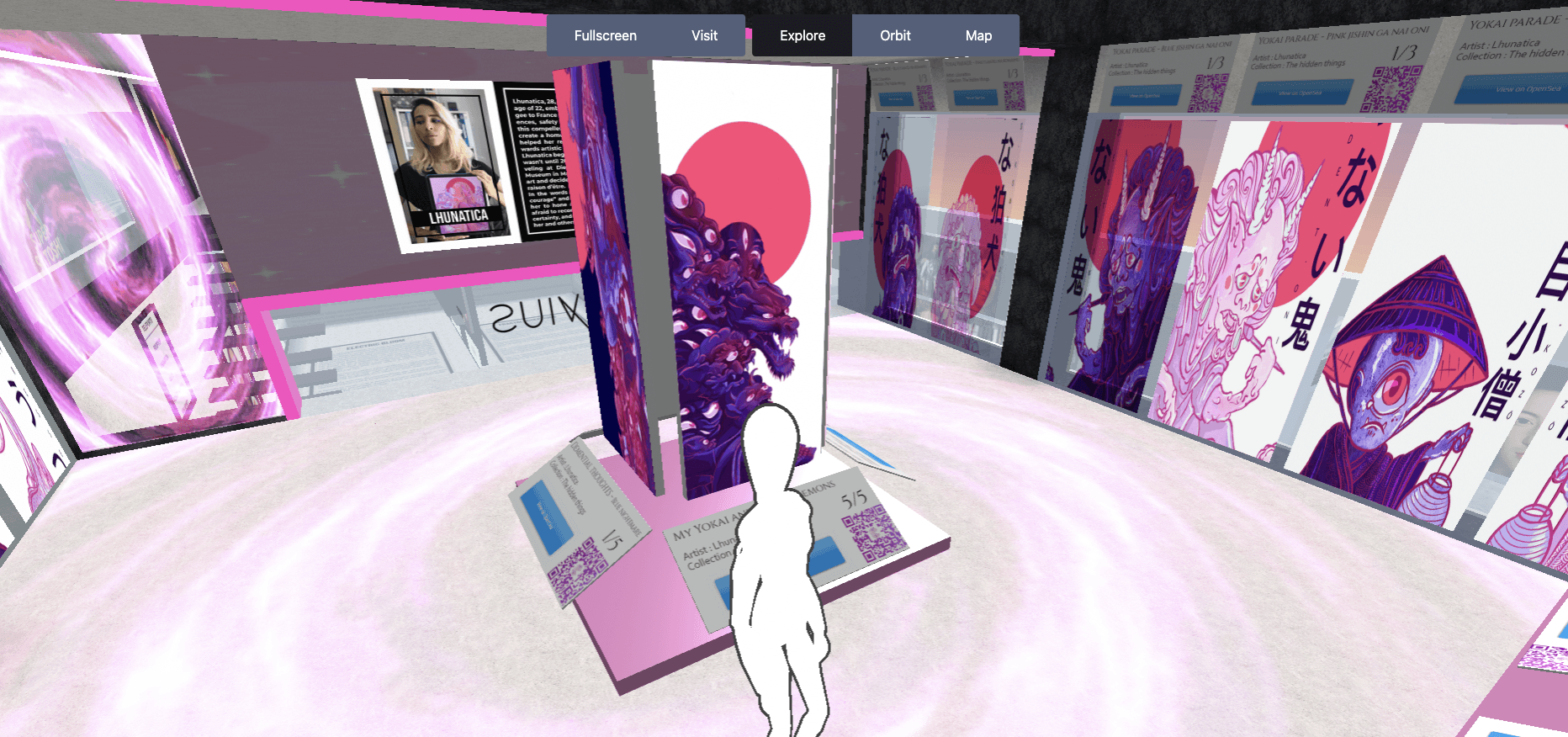
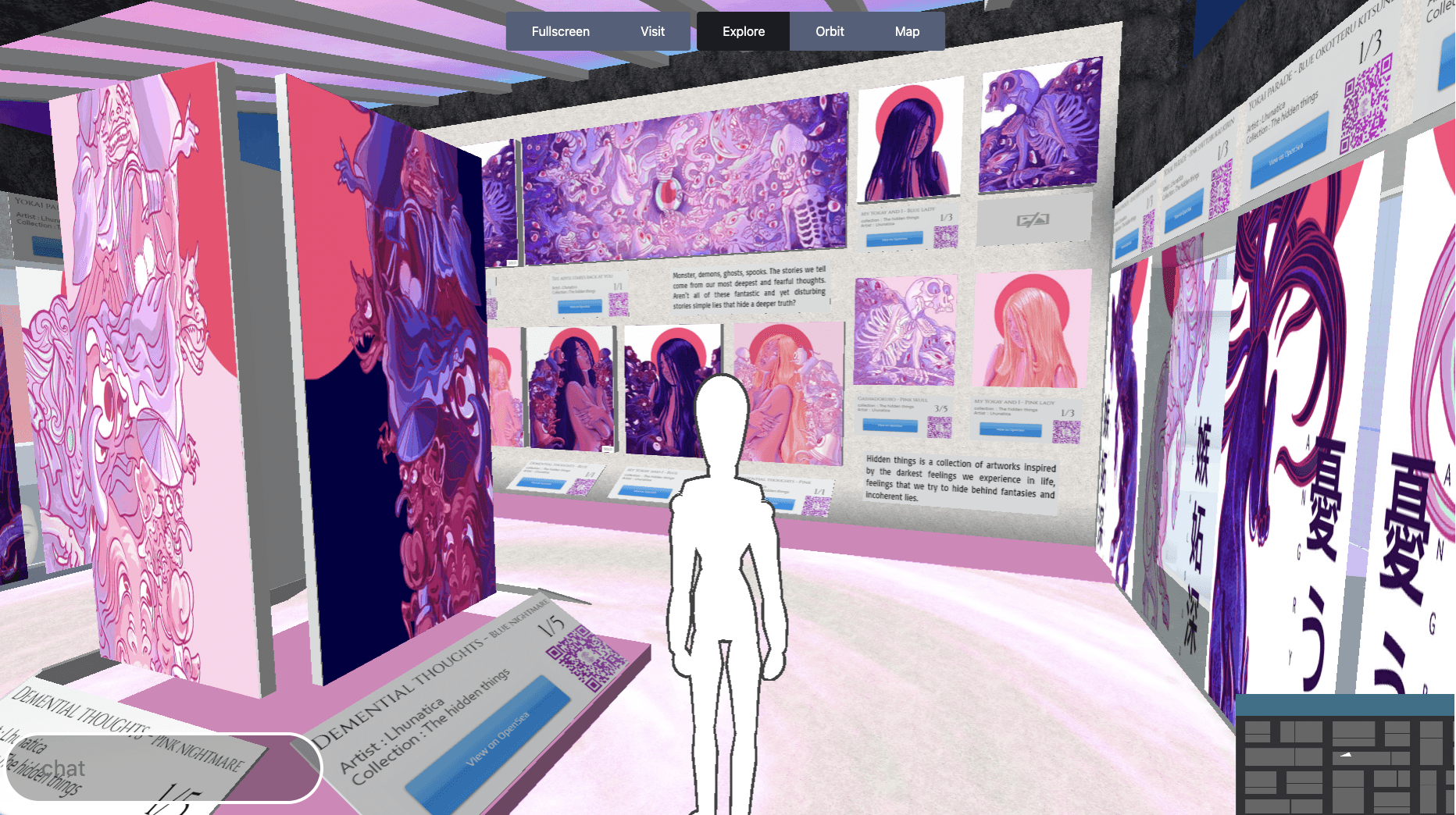
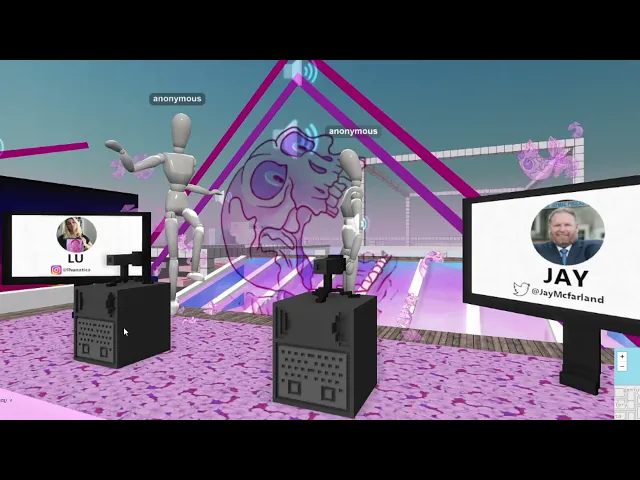
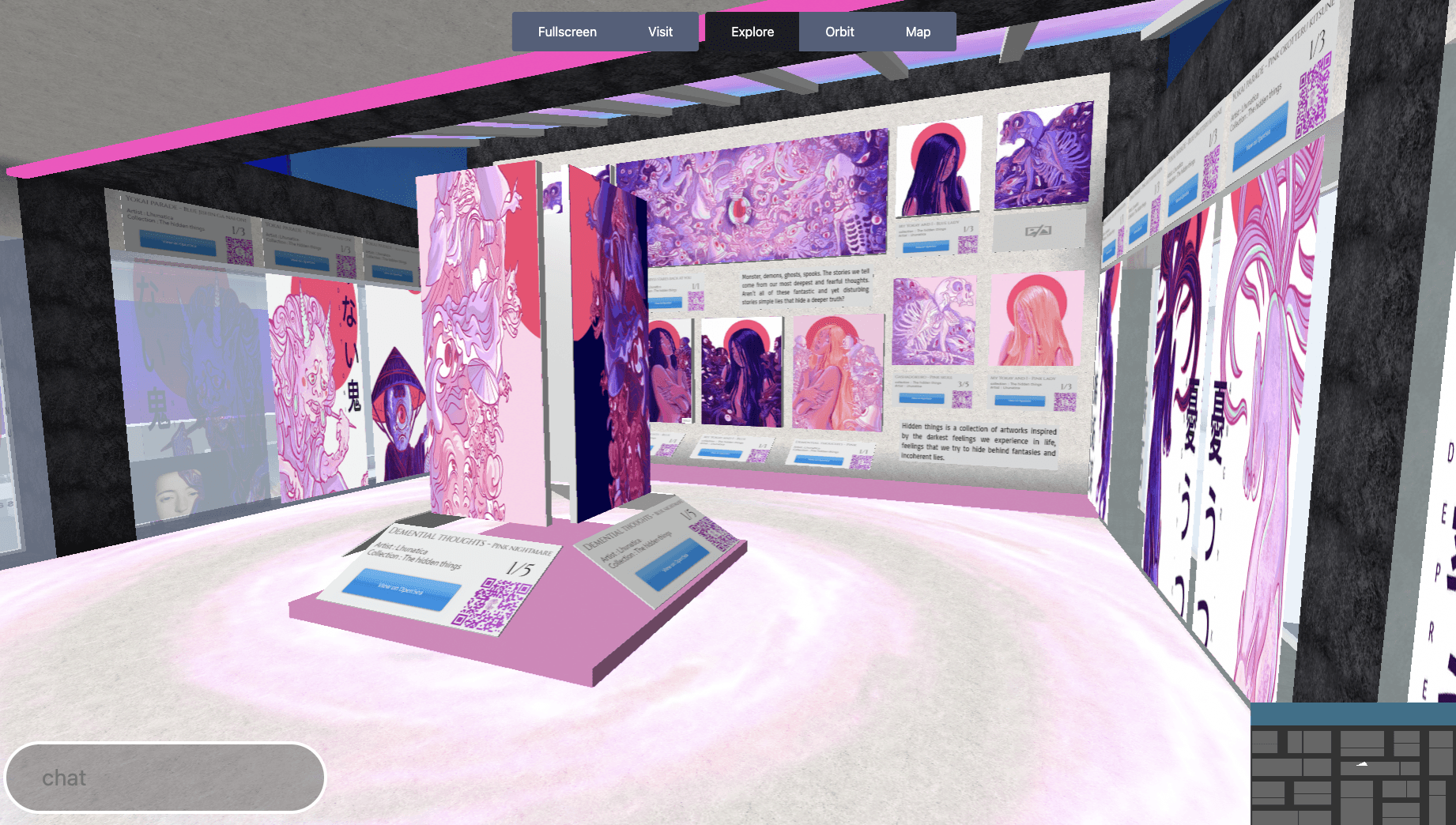
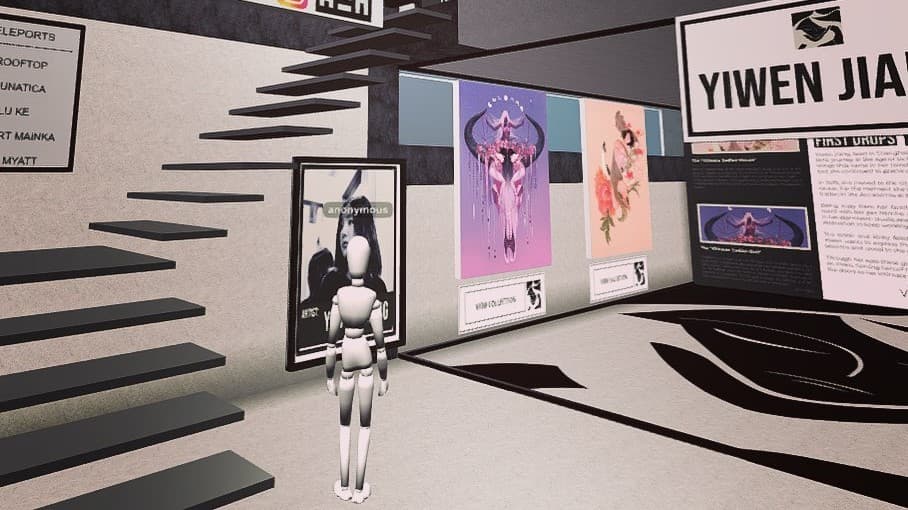
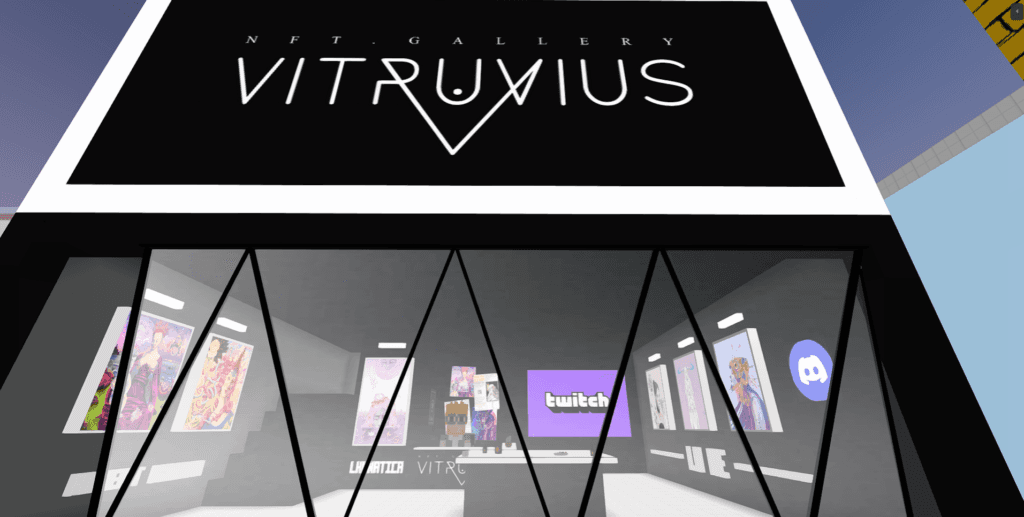
Vitruvius NFT Gallery was an experimental and pioneering art project based in Montpellier that explored the intersection between digital art, NFTs, and physical exhibition spaces. The project first emerged in the metaverse, with a virtual gallery built inside Cryptovoxels (now Voxels), where digital artworks could be exhibited and experienced online through an immersive 3D environment. This virtual beginning reflected the gallery’s ambition to exist natively within Web3 culture, where art, ownership and exhibition are directly linked to blockchain technology.
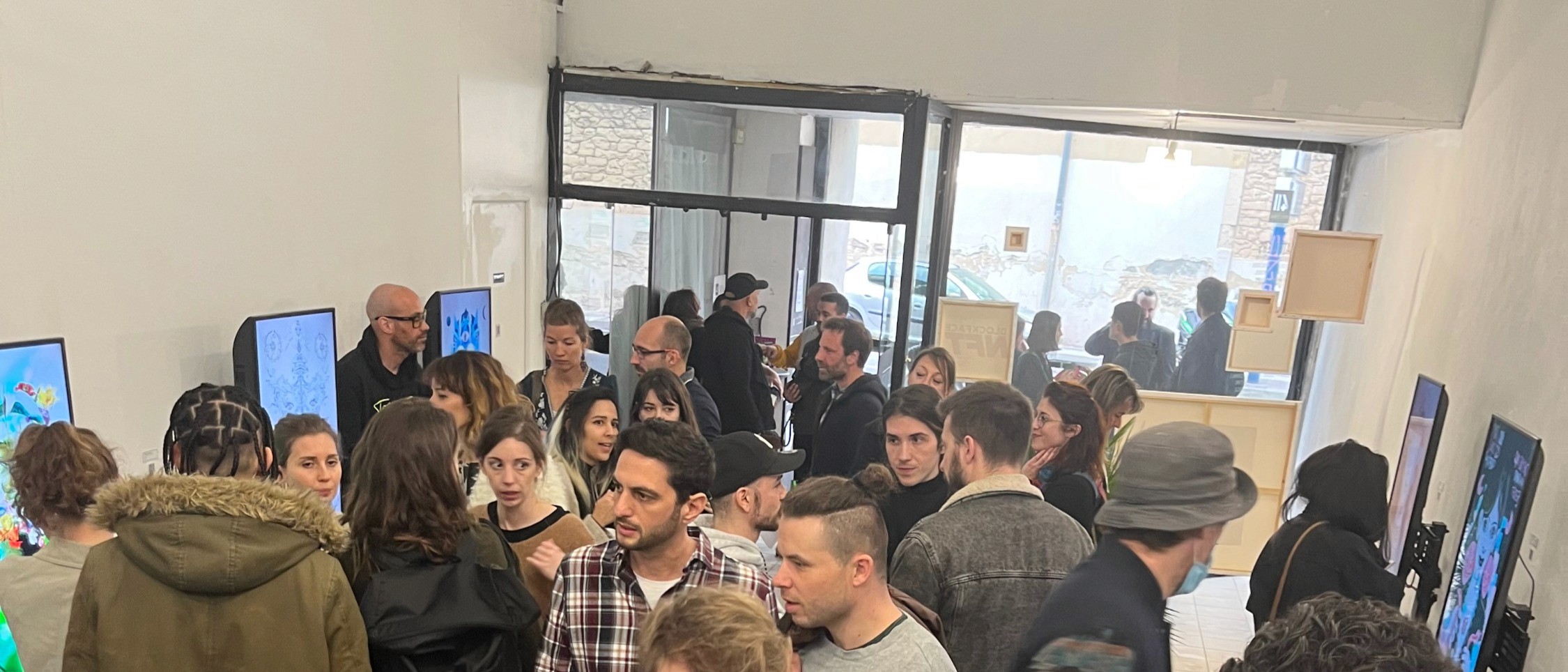
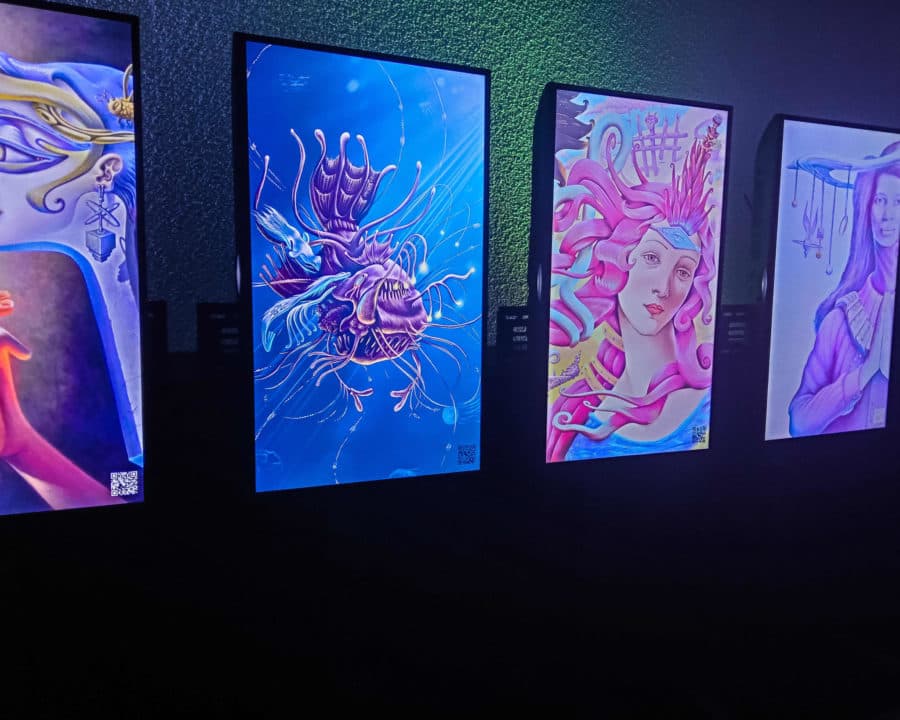
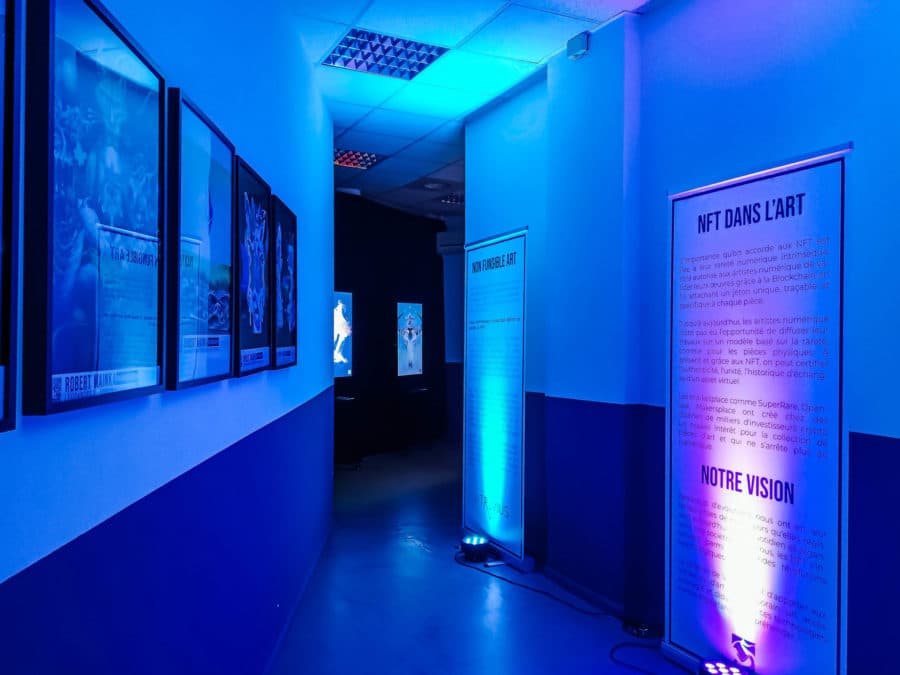
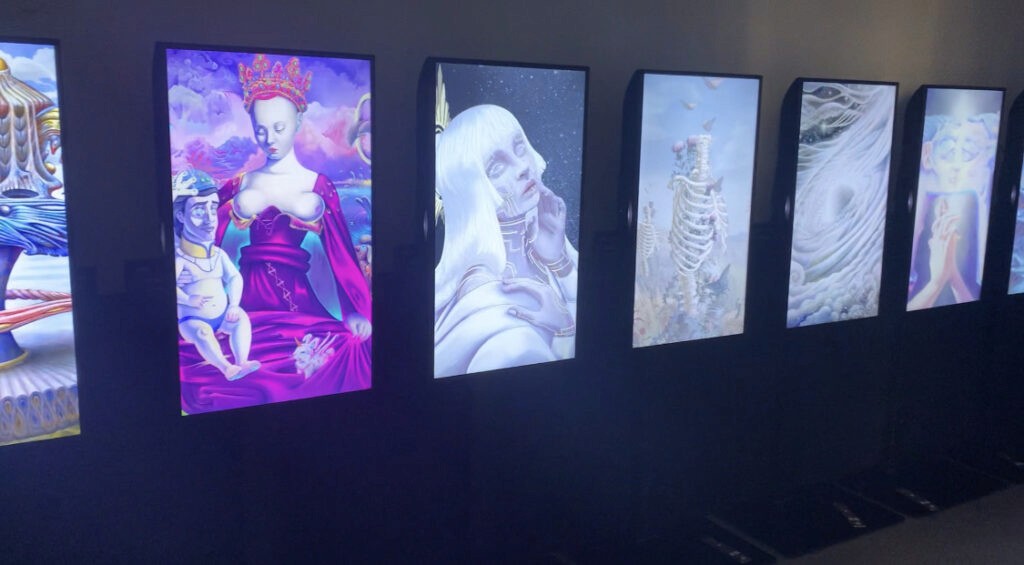
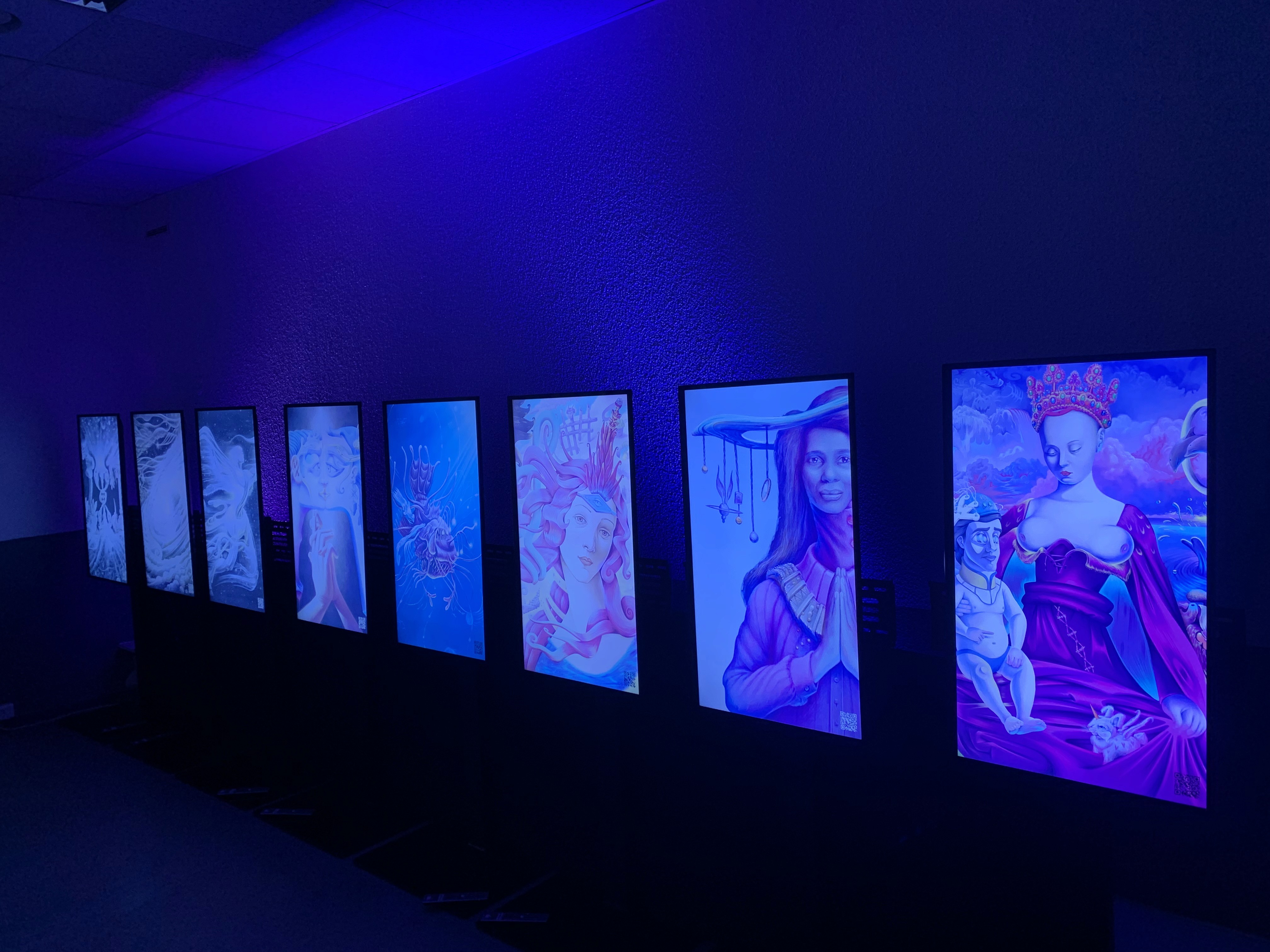
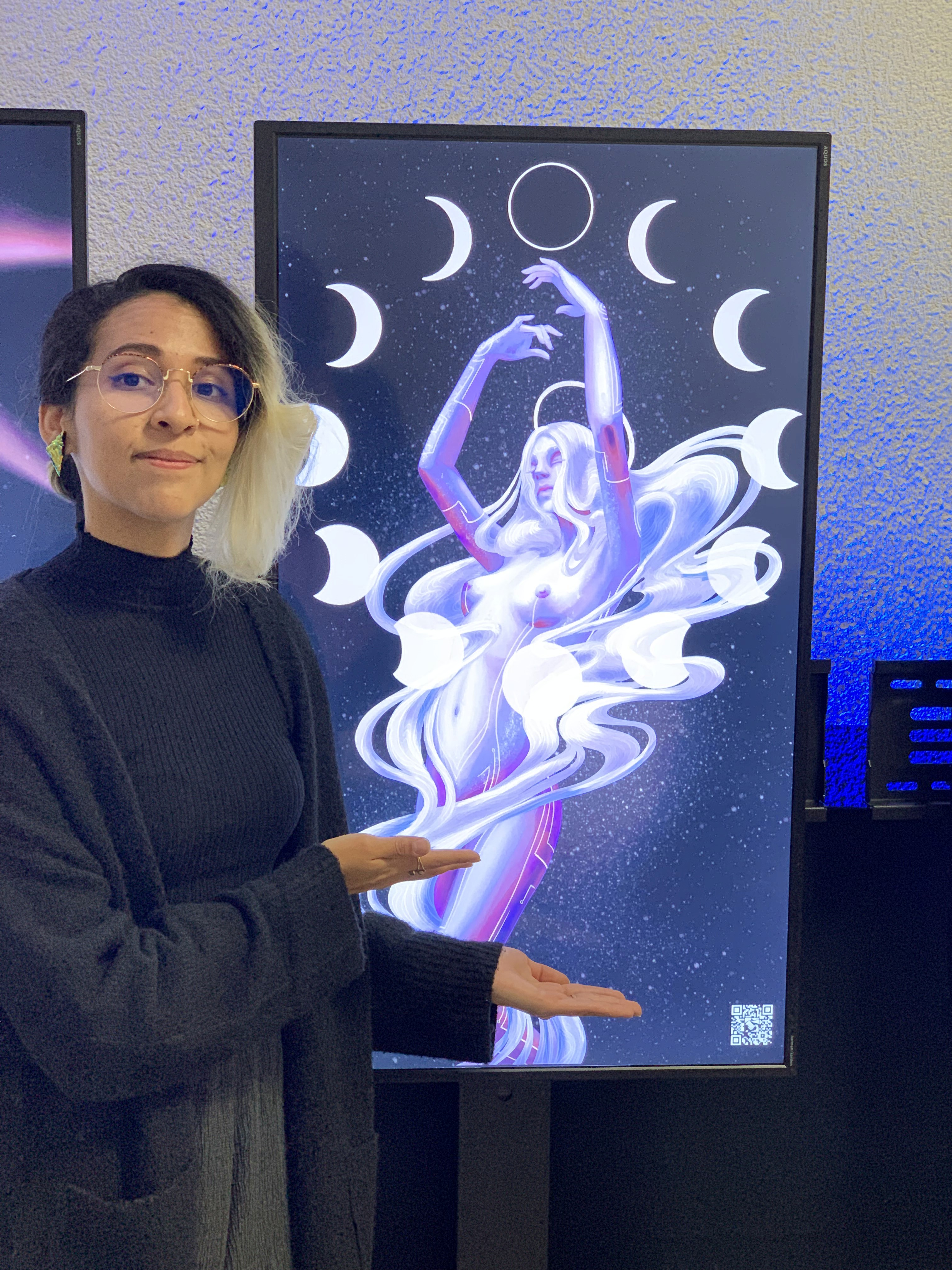
The project later evolved into a real, physical gallery space, becoming one of the first — and often considered the first — NFT-dedicated art gallery in France. Located in an underground venue in Montpellier, the gallery was designed as an immersive space, closer to a digital lab or a small cinema than a traditional white-cube gallery. Screens, video works, NFTs and physical pieces coexisted, allowing visitors to experience crypto-art in a tangible and accessible way.
( 00-02 )
CHALLENGES
One of the main challenges of this project was working in a field that was still very new and constantly evolving. NFTs, crypto and the metaverse were not widely understood in France at the time, so explaining the concept to the public and to traditional art audiences was a real challenge. Bridging the gap between digital-native artists, crypto collectors and people discovering NFTs for the first time required a lot of pedagogy. Another challenge was the technical aspect: understanding blockchain logic, wallets, smart contracts and the constraints of metaverse platforms like Cryptovoxels, while also adapting the project from a purely virtual space into a real physical gallery. The volatility of the crypto market and the fast disappearance of projects in the Web3 ecosystem also made the project fragile, and maintaining long-term sustainability was difficult.
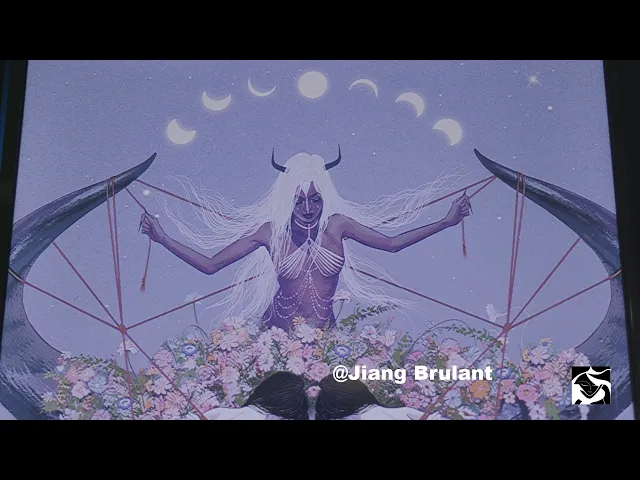
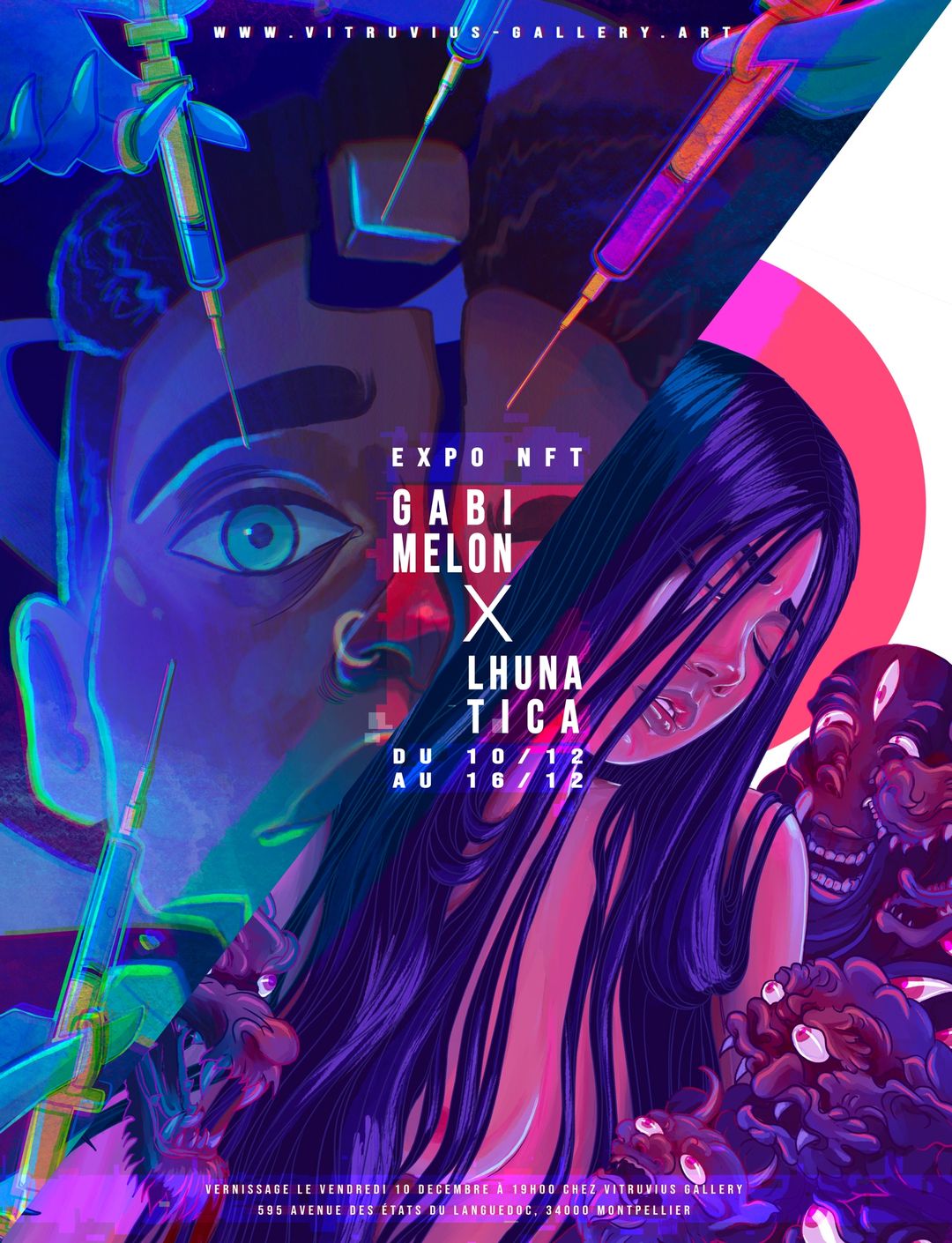
Vitruvius NFT Gallery positioned itself as a “phygital” space, where artworks could exist simultaneously as physical objects and as NFTs on the blockchain. Some works combined canvases with AR layers or tokenized versions, offering collectors a hybrid experience that connected the physical artwork to its digital counterpart. Alongside exhibitions, the gallery organized events, vernissages and educational moments to help visitors understand NFTs, wallets, smart contracts and the emerging crypto-art market.
( 00-03 )
SUMMARY
Through this experience, I learned a lot about NFTs, crypto ecosystems and the metaverse, both from a technical and cultural perspective. I learned how digital art can exist across multiple spaces at the same time: physical, virtual and blockchain-based. I gained hands-on knowledge about creating and exhibiting artworks in a metaverse, building virtual galleries, and understanding how users interact with digital spaces. I also learned how “phygital” art works, combining physical artworks with NFTs or AR layers to extend their meaning and value. Beyond the technical skills, this project taught me how digital art interacts with the modern world, how new technologies can democratize access to art, and how experimental projects can shape future artistic practices, even if they no longer exist today.
Beyond exhibitions, the project also contributed to the local Web3 ecosystem by organizing events such as NFT MTP Day, bringing together artists, collectors, developers and curious audiences around NFTs and digital culture. Even though the project no longer exists today, Vitruvius NFT Gallery remains an important learning experience and a strong example of how digital art, metaverse spaces and physical galleries can merge to create new forms of artistic expression and cultural exchange.
( 00-04 )
DISCOVER MORE