Illustration
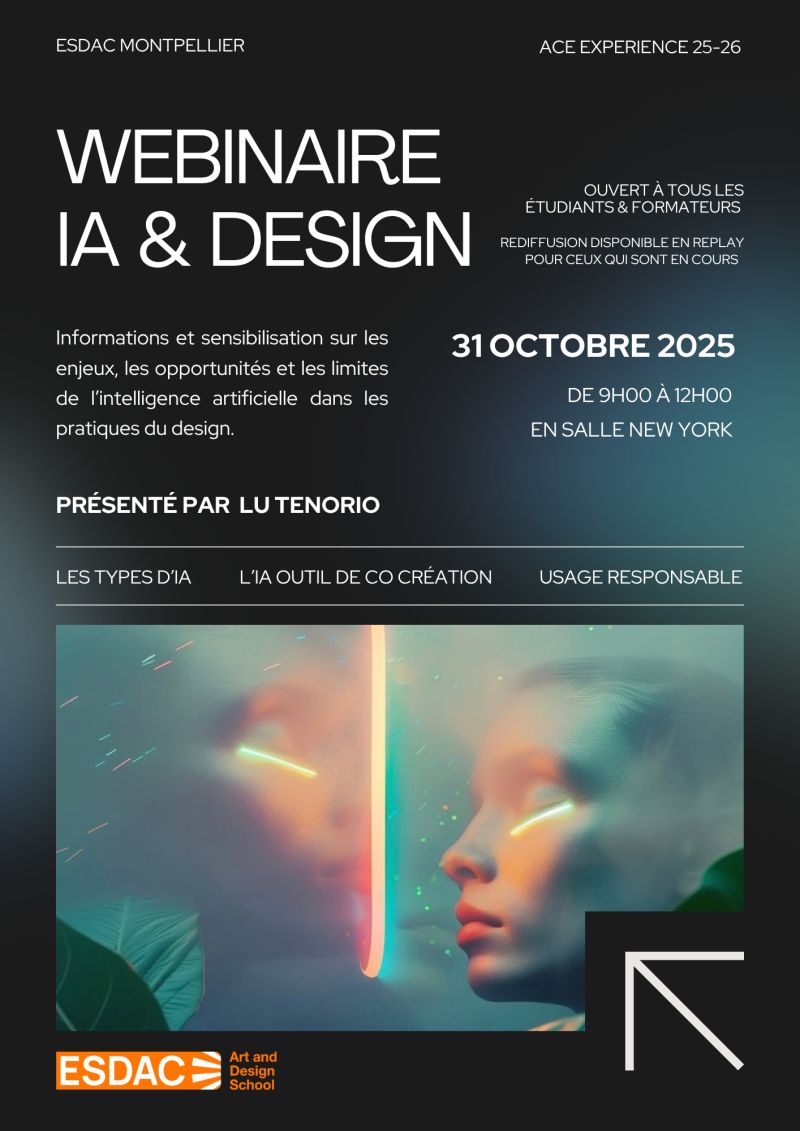
Illustration for the Webinar AI at the ESDAC Montpellier

( 00-01 )
ABOUT THE PROJECT
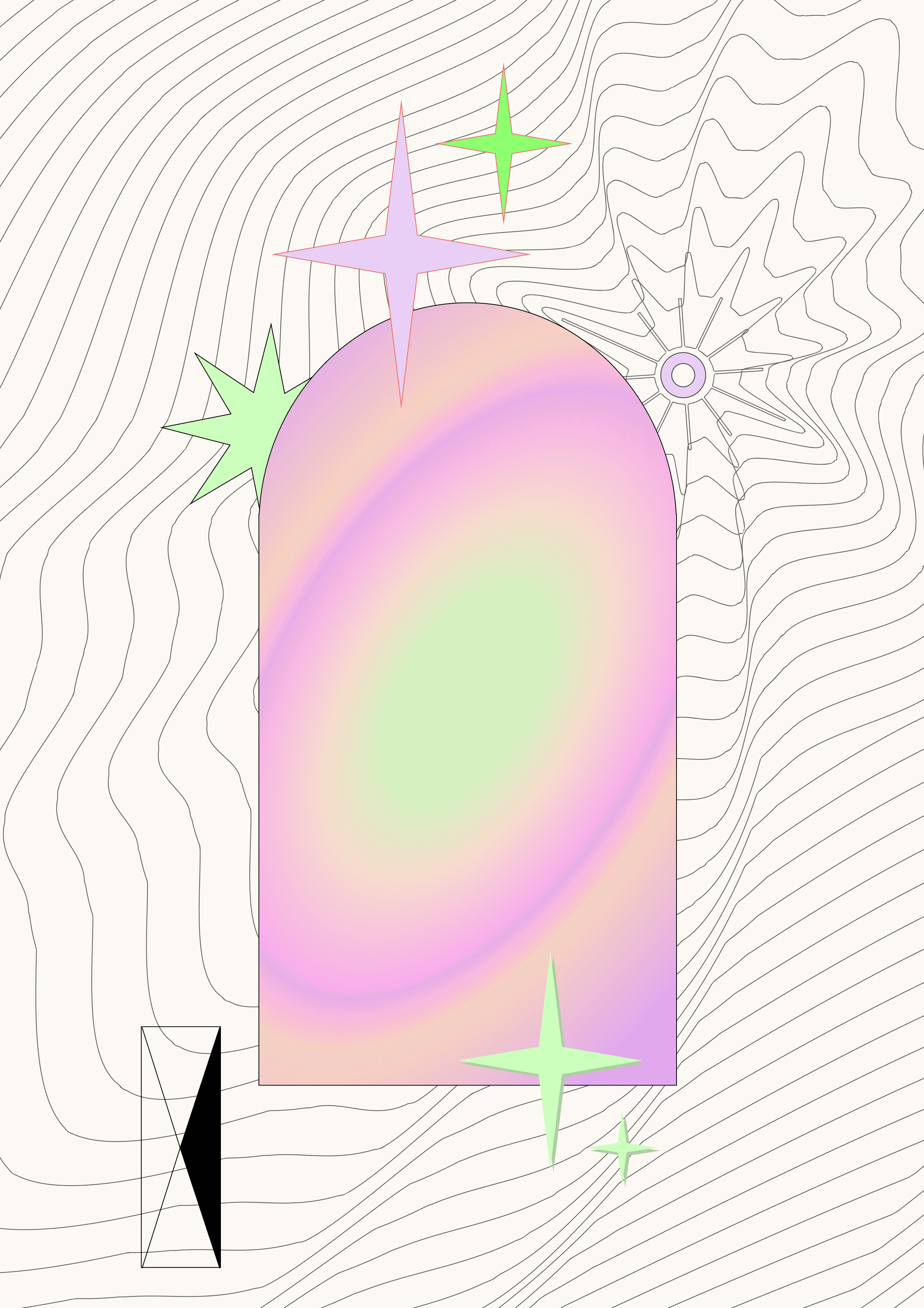
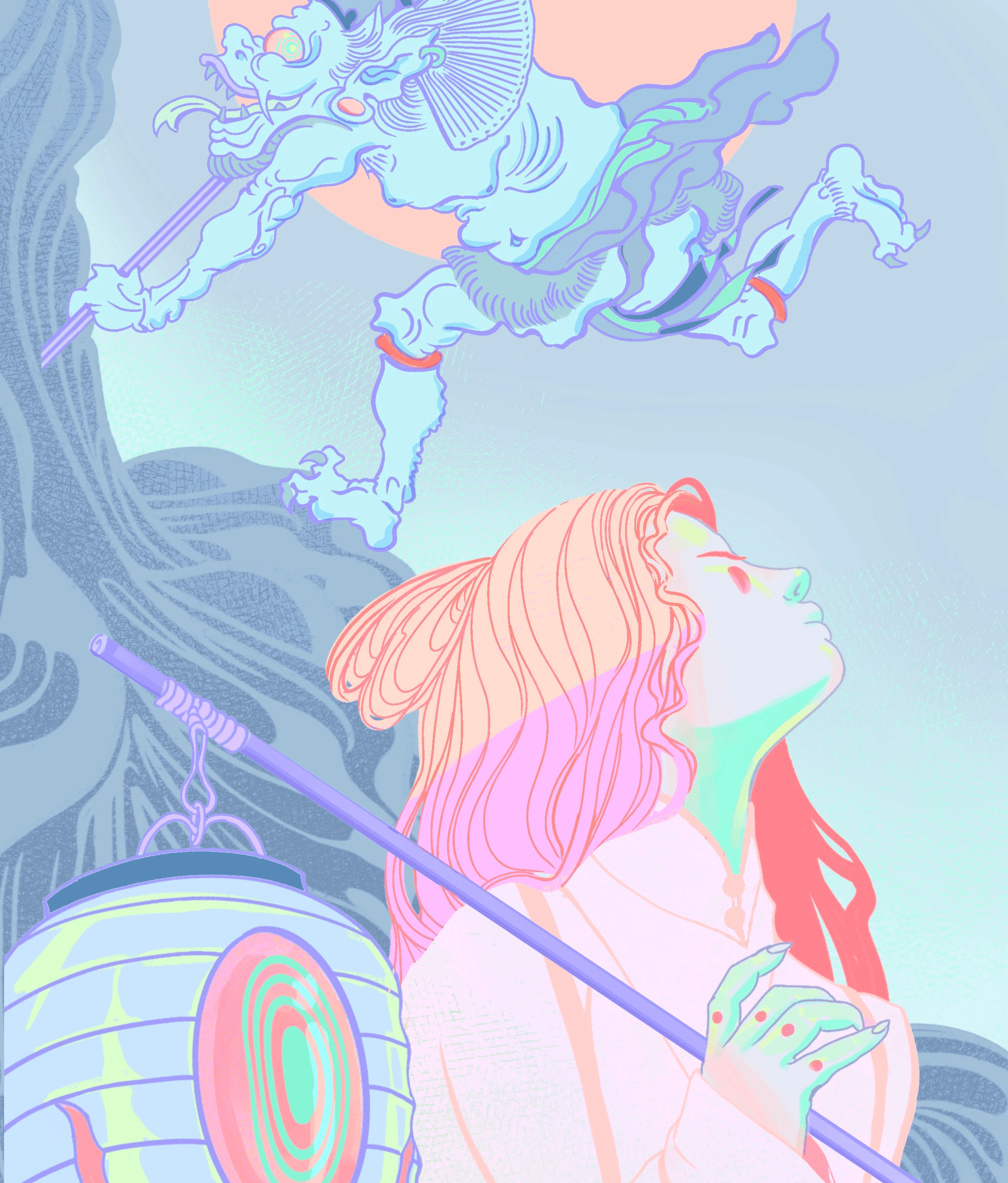
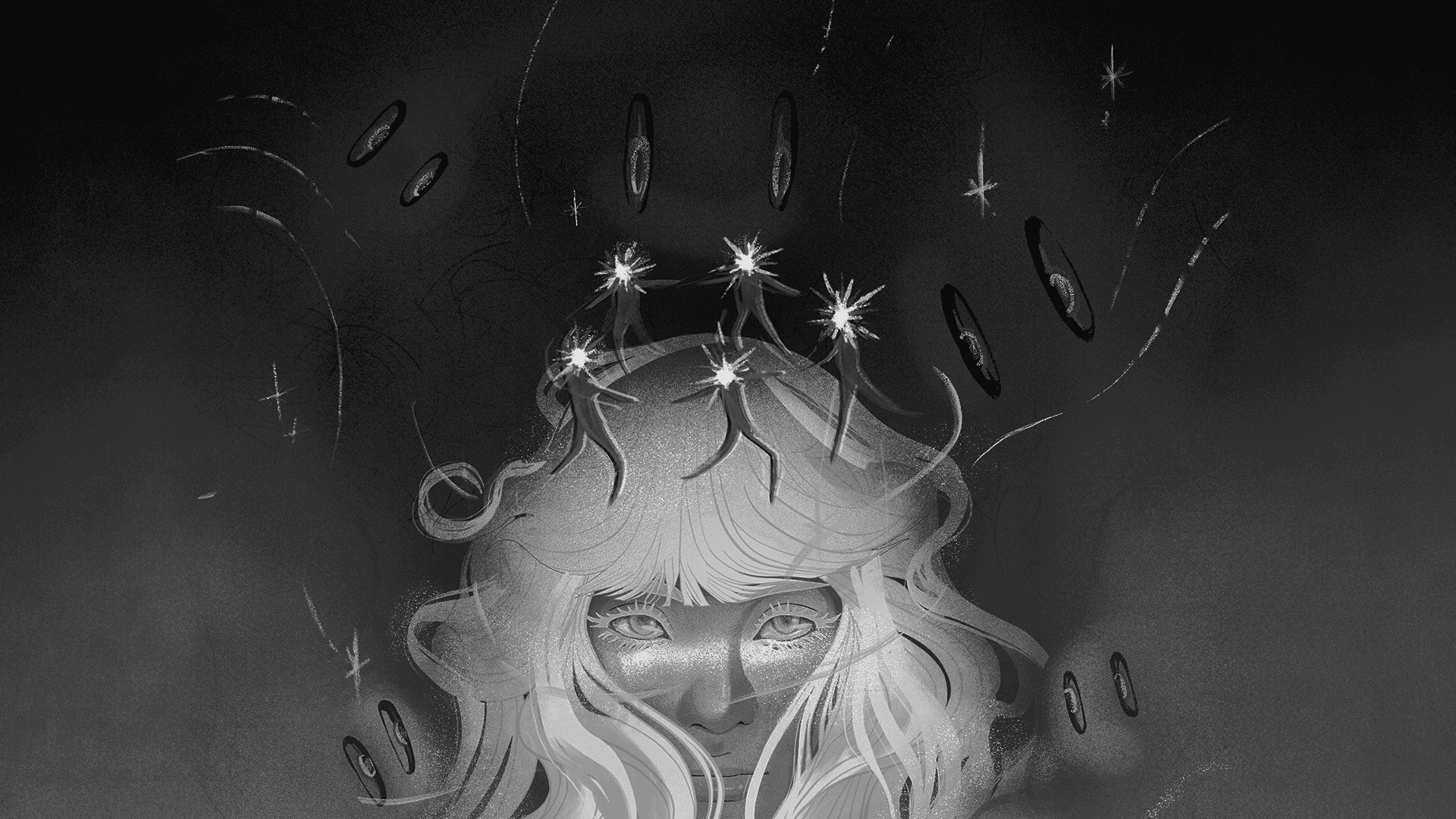
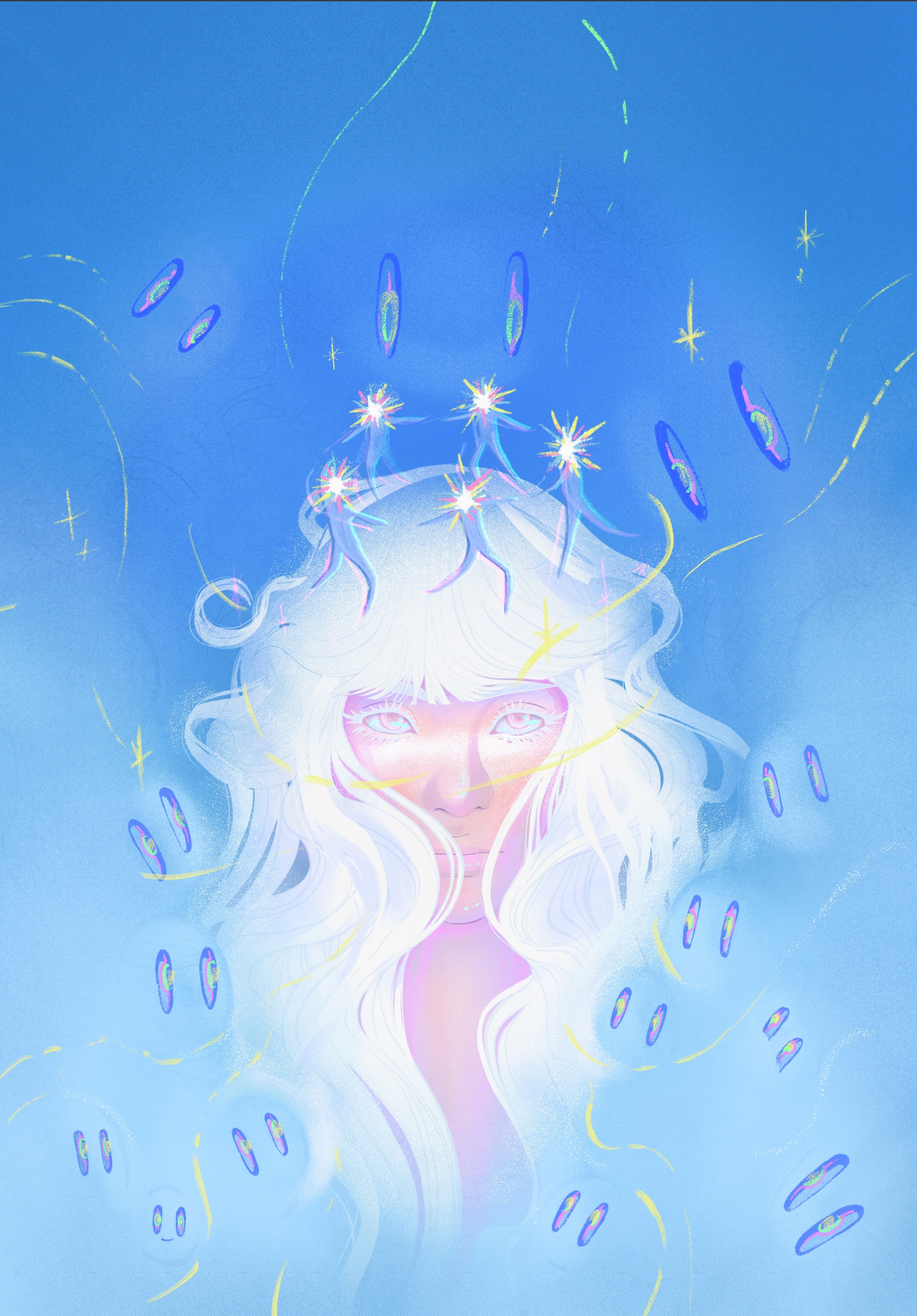
Illustration created for a webinar about AI for the school ESDAC and how imperfection is the most important part of creation for designers and illustrators.
This illustration was created for a webinar about AI, exploring how we can use artificial intelligence ethically in creative work. I wanted to highlight that the presence of AI should never replace the process of exploring, experimenting, and learning as designers and illustrators. While AI can assist us, it cannot—and should not—replace the value of trials, tests, and hands-on creation.
( 00-02 )
CHALLENGES
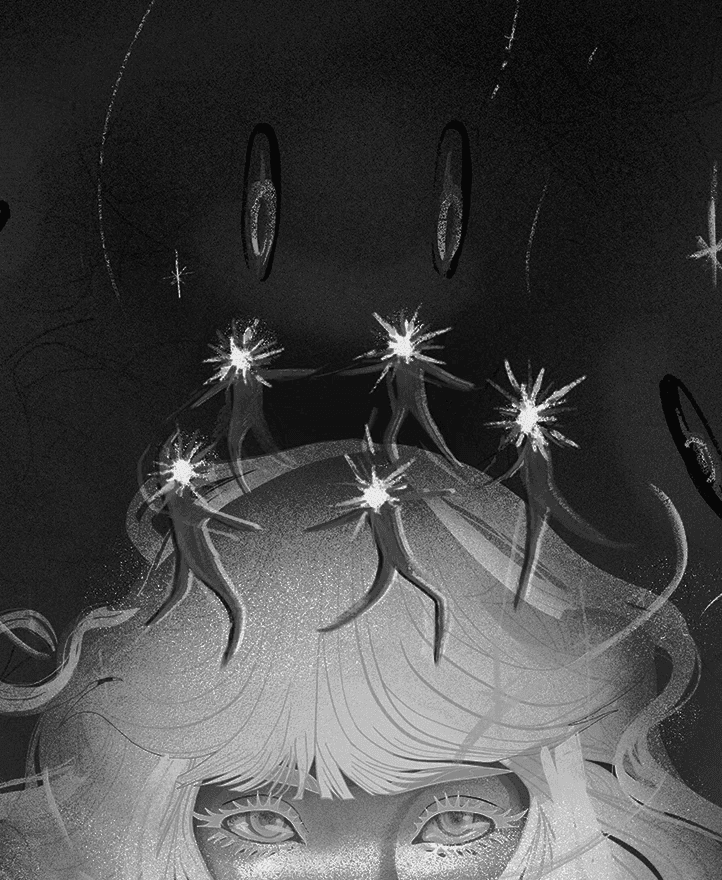
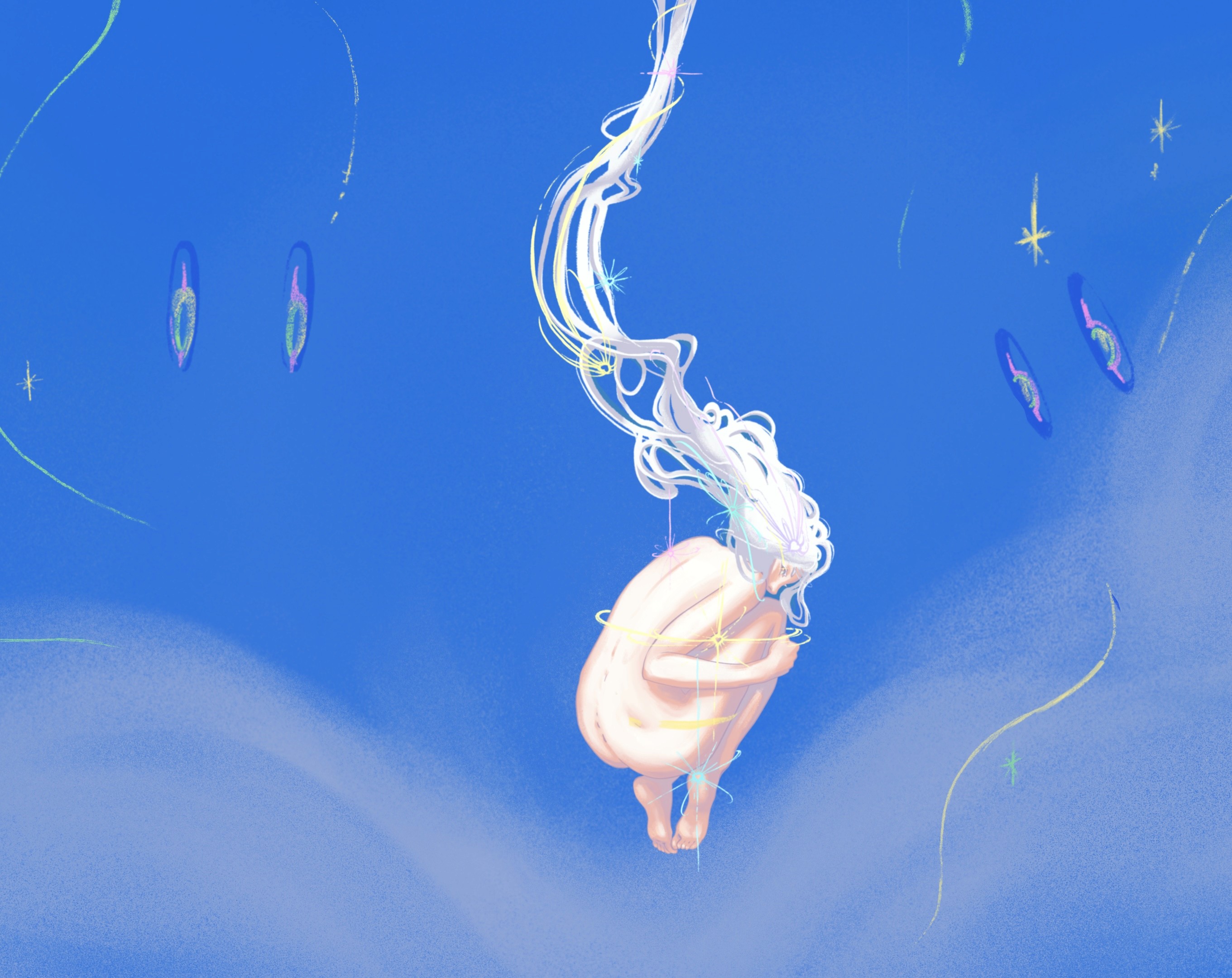
In my work, I used imperfections, crayon textures, and tactile elements as an example of the human touch that gives design its depth and character. These “flaws” are intentional: they emphasize that creativity is a process, not just a result. By embracing imperfection, we can create richer, more meaningful work, even in an age where AI plays an increasingly prominent role in design.
For the webinar, I had to rethink how the content was presented, find a voice that felt human, and design visuals that would guide students through complex ideas about AI and creativity. The biggest challenge was balancing technical concepts with accessibility—explaining AI without overwhelming the audience. Every design decision came down to one question: will this help students feel curious, engaged, and inspired to explore and experiment themselves?
( 00-03 )
SUMMARY
The result was more than just a webinar. It was a shift in perspective. Students went from seeing AI as a shortcut to understanding it as a tool—and recognized that imperfection, experimentation, and hands-on creativity are what truly drive meaningful design.
By sharing my own work, complete with textures, crayon marks, and intentional “flaws,” I showed that creativity is a process, not a final product. The session sparked conversations, inspired students to experiment boldly, and reinforced the idea that ethical and thoughtful use of AI can enhance—not replace—the human touch in design.
( 00-04 )
DISCOVER MORE